
If you’re like many people, 2020 has driven you to shift gears in many of your everyday practices – including how you motor around town. Did part of your daily routine include dropping your car at one of many Park-n-Ride lots around Parker and Denver, scanning your RTD MyRide Pass and hopping on your favorite RTD train or bus? Yep, us too. Here’s the thing: if you’re not going into the office, but instead working from home, how are you getting around town? You may now have a need for a reliable vehicle that allows you to hit the grocery store, get the kids to school or daycare, or make a needed trip to the doctor or dentist. This shift is common and has created a strong market in buying and selling used cars and trucks. If you’re a buyer, the best advice we can give you is consider working with a reputable auto broker who deals in used vehicles – such as H.M. Brown or AAA. If you end up buying directly from a private party, make sure to schedule a professional inspection with an independent mechanic , like I N C Auto Repair Center in Parker, Colorado. So … now that you’ve got that new used car or truck in your garage, what’s next? Here are our top tips and suggestions for properly maintaining your “new” vehicle! Do Your Homework Read your owner’s manual – cover to cover – on Day 1. You should find it in the glove box, or very likely online depending on the age of the vehicle. It will tell you everything you need to know about your new vehicle including recommended service cycles. It will illustrate where to find the basics like reservoirs for refilling everything from windshield fluid to oil. Best Maintenance: Oil Changes Level up on what type of oil is recommended for your vehicle, and how often it should be changed. Best practices: have a qualified mechanic look at your vehicle every 3-4,000 miles or every 3-months – whichever comes first. At I N C Auto Repair Center, we include a complimentary 30-point Vehicle Health Evaluation and Tire Rotation with every oil change. Even with driving less in 2020, you need to have your tires rotated, belts inspected, cabin filters changed, and fresh oil running through your engine. It’s the best maintenance you can hope to deliver to the car or truck you and your family rely on! Tires Carry the Load How much air pressure is recommended for your tires? Check the owner’s manual, the tire manufacturer’s website, or look inside the driver’s side door panel. Once you know how much pressure the tires require, grab your reliable tire gauge and check your pressure. By the way, it’s best to check your tire pressure while the tires are cold. Once they warm up through driving, the pressure can increase. Tire pressure is known to decrease during cold outside temps, so don’t be alarmed. Just give them a breath of fresh air! If your tire gauge or internal warning lights continue to report low pressure after you’ve add air and have driven the vehicle at least 25 mph for 5-10 miles, ask your mechanic to take a look. You may have a puncture or slow leak that they can fix for you! Can You See Clearly? The absolute worst is getting caught on a dark, rainy night or moist freeway kicking up damp road grit and mag-chloride with windshield wipers that don’t pull their weight. At the first sign of streaks, invest in a fresh set of windshield wipers – you will thank yourself! Let There Be Light When your checking over that new car or truck before the purchase, don’t forget to check ALL the lights: Low & High-beam headlights Tail & Brake lights Fog & Turn Signal lights Keep a Positive Charge. Again, with fewer or shorter trips in your car, it’s easy to have your battery lose charge over time. Make sure you have a set of jumper cables in your car and KNOW how to use them! A few basic tips in this order: #1 Find a friend or neighbor willing to help you, and put both vehicles in PARK. #2 Turn off the engine on the donor vehicle; your vehicle is already off (due to the dead battery). #3 Attach one RED clip to the POSITIVE terminal on the dead battery (presumably yours). #4 Attach one RED clip to the POSITIVE terminal on the donor car battery. #5 Attach one BLACK clip to the negative terminal on the donor car battery. #6 Only then should you attach the remaining BLACK clip to an unpainted steel part of your vehicle. #7 Start the donor vehicle and let it run for 5+ minutes to send a charge to your dead battery. #8 Then try and start your vehicle – it should start up pretty quickly. #9 Give your car a good run at higher speeds to give the battery a good charge. #10 If your battery fails to hold a charge, it may be time for a new one. We can help with that, give us a call. Tidy is as Tidy Does At our house we laugh that the car always runs better when it’s clean! While that may just be in our heads, the fact is you are protecting your car when you keep it washed. We mentioned mag-chloride that is used on roads to inhibit ice buildup. It can also corrode not only your paint but the vehicle body. The same with tree sap, bugs on the windshield and grill, and more. And did you know: it’s more environmentally friendly if you go to your neighborhood car wash than washing it yourself in your driveway? You end up using less water and send less soap and detergent into your lawn and city sewer systems. Have questions? We are always here to help. Give us a call at I N C Auto Repair Center in Parker Colorado. We’ll put that car or truck you have your eye on through its paces with a professional inspection and once purchased, help you build a solid vehicle maintenance plan !
Ah, the joyous winter travel months are finally here, November and December. A time for sumptuous turkey dinners and gathering around the tree with friends and family. It’s also a time for slippery, icy roads and shoulder to shoulder highway traffic. To get through the season, you’re going to need a can do attitude, some patience – and also a tip top shape vehicle! Here are some tips from I N C Auto Repair Center in Parker, Colorado on getting your car ready for those sometimes grueling but ultimately joyful Holiday road trips. Oil Changes: Let’s start with the basics. Sure, we all tend to fudge a little now and then on the timing between oil change intervals by 500 (or 1,000!) miles, but Holiday time is when you really, really don’t want to risk mechanical trouble. So take a peek at your odometer, or the handy reminder sticker on the upper corner of your windshield. Follow that sticker or odometer reading to a T! The recommended intervals vary between every 3,000 miles if you use conventional oil; and every 5,000 to 6,000 miles for synthetic oil. Be sure to check with your mechanic or the oil manufacturer for your particular oil needs. Regardless, don’t push the mileage too far beyond the recommendations. Just bring ‘er in and get ‘er done. Minor and Major Service: Here’s a simple rule: Typically starting at 15,000 and then in intervals of every 15,000, your car needs minor or major service, in addition to or along with your oil changes. Just think Odd and Even . At odd intervals (15K, 45K, 75K, etc.), you’re probably looking at minor service. For even mileage (30K, 60K, 90K, etc.), it’s likely time for regular major service. Consult your Owner’s Manual, or check with us here at I N C Auto Repair Center, for the exact recommended time/mileage of your next scheduled service. We can run a quick diagnostic to be sure nothing is missed. Tires, Tires, Tires: You may have perused one of our previous blogs devoted specifically to tires, and we won’t repeat too much of that same information. But let’s face it, Holiday Time is crunch time! You want those tires in tip top shape before hitting the road to Grandma’s. Some questions you can ask yourself: How does the tread look? You don’t need to be an expert to have a hunch on your tire’s safety. Are you up to date on the CDOT (Colorado Department of Transportation) rules on tire tread? How many miles do you have on the tires? Is your spare tire ready to come in and pinch hit in the event of a flat? Are your tires giving you the best possible gas mileage? Underinflated or misaligned tires/wheels can eat into your mileage over the long term. If, after running through the above checklist, you’re not sure about your wheels, zip over to I N C Auto Repair Center and we can confirm or reassure you on your hunch, and give the best recommendation for your tires. Auto Body Issues Large and Small: You know you don’t want to be driving through a snowstorm with a severely cracked windshield or significantly dented passenger door; but what about the smaller things, like a cracked headlight or burned out head lights or brake lights? While the temptation is there to tough it out on that Christmas Eve drive, why take a chance? Everyone’s safety is at issue when you get behind the wheel, and many such small body issues can be taken care of in no time at all. We know time is even more of the essence during the Holidays, and the staff here at Golden Triangle Auto Care is prepared to take care of those last minute small issues that will put your mind at ease once they’re taken care of. Detailing: There’s no need to go overboard and detail your car back to how it looked when you first drove it off the lot. But a quick cleaning inside and out prior that Holiday journey can lift everyone’s mood just a little bit and get your Thanksgiving or Christmas drive off on the right foot. If you have any regular maintenance that’s due or any questions – none too small – about the overall maintenance of your vehicle, give us a call at I N C Auto Repair Center, your Parker CO car care experts today!
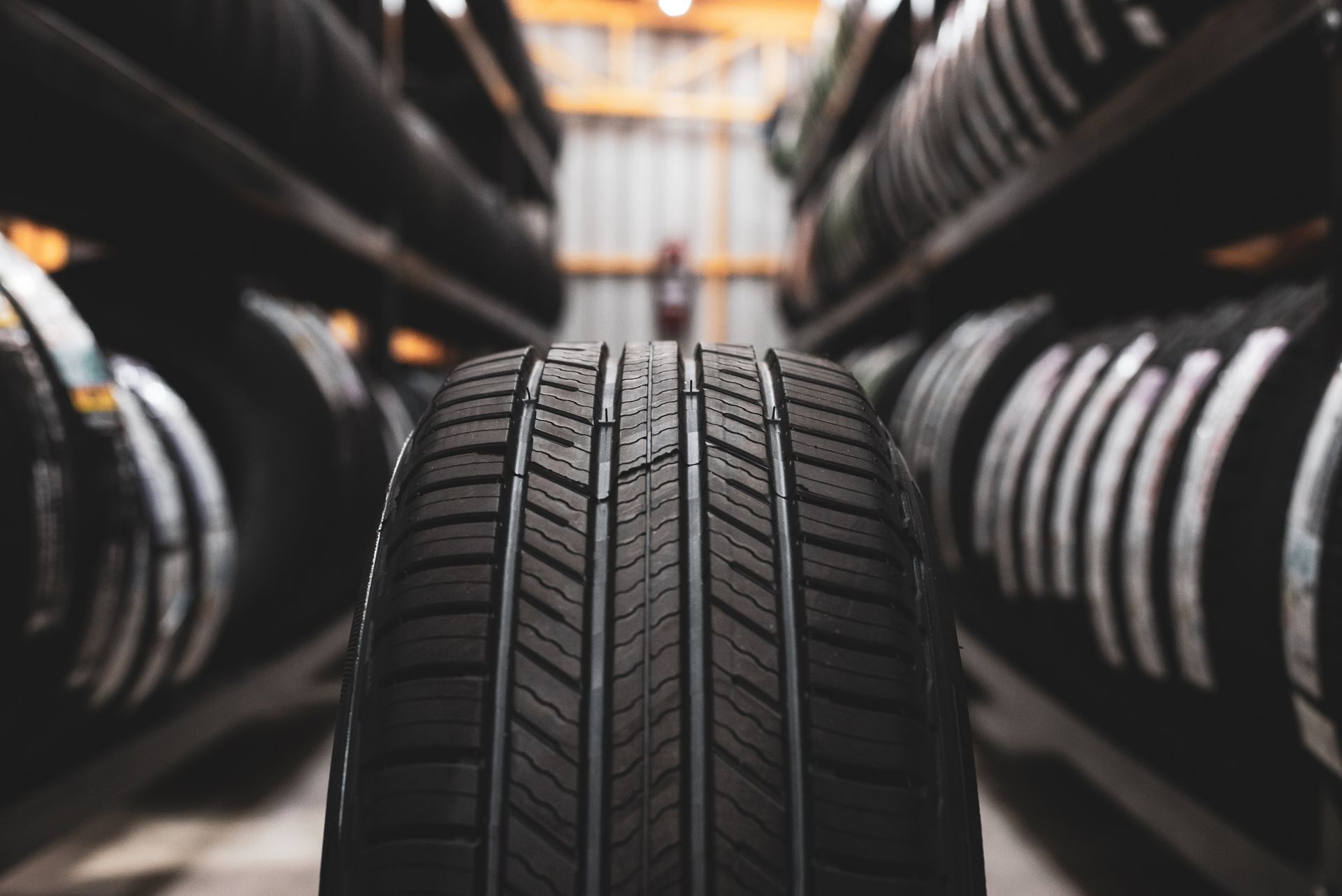
How important are your tires? Very. Without reliable tires (and gas), your car, truck or 4×4 isn’t going anywhere. Here’s what you need to know. Inflation A tire that has too much or too little air is a problem. An improperly inflated tire could cause poor gas mileage, loss of traction, tire wear, or could even damage the tire leading to failure. You don’t want that when you’re driving! Make sure you know the recommended inflation level for your vehicle’s tires. How do you know? Check your owner’s manual or look for a sticker in the door frame on the driver’s side of your car or truck. Tire pressure is measured in pounds per square inch (PSI). Pressure gauges are inexpensive and easy to use. Don’t have a pressure gauge? Ask our front desk Service Manager for one! Remember to always check your tire pressure when the tires are “cold” and haven’t been driven for about 30 minutes. Colorado Department of Transportation Traction Laws Driving on I-70 through Colorado’s high country can be both beautiful and treacherous. Especially between September and May. Within a matter of hours, climate and road conditions can swing from sunny and dry to wet, slushy, snowy, and icy. Are you up to date on the most recent rule changes regarding traction laws in Colorado? Here’s the official word from CDOT (make sure to check for any recent updates). Most Colorado drivers are pretty good when it comes to their vehicle’s winter-worthy capabilities, swapping out summer tires for winter tires and packing a set of chains in their trunk or tool kit. Between September and May, the Colorado Department of Transportation (CDOT) expects two things: 1) either snow tires, tires with the mud/snow (M+S) designation, or a four-wheel/all-wheel drive vehicle; and 2) all winter-worthy tires to have a tread depth of not less than 3/16 of an inch . Who’s checking the tread depth on those tires you might ask? Your trusted Parker auto mechanic should be doing that for you when they swap out your seasonal tires or doing the recommended 30-point vehicle health evaluation each time your oil is changed. Tread Wear What’s up with tire tread patterns? Tread patterns are designed to move moisture out of the way so the rubber can make contact with the road. Otherwise, the tire would drive on top of the moisture, which leads to hydroplaning. Definitely not as fun as it sounds. Being able to maintain control of your vehicle when there’s moisture on the road isn’t the only concern regarding your tire tread. If you go too long without replacing your tires, you risk having them fail while you’re driving. Wear bars will be visible when only 1/16 of your tire tread remains, which is an indicator that you need tires sooner rather than later. Tire Code Ever wonder what all the numbers and letters on the side of your tire mean? Each one is there for a specific reason. Your tire might have something that looks like this: P215/65R15 The “ P ” is for “passenger car.” You might also see “ST” (special trailer), “LT” (light truck), or “T” (temporary). “ 215 ” is the width of the tire in millimeters. Wider tires mean more traction. “ 65 ” is the aspect ratio, which is the height to width ratio as a percentage. Low aspect ratio (“low profile”) tires generally handle well at high speeds, but the trade-off is a bumpier ride. Want a smooth ride and good traction in slick conditions? Stick with a taller tire. “ R ” is for “radial,” versus “ B ” for “bias belt” or “ D ” for “diagonal.” This refers to how the tire is constructed. Radials allow the tread and sidewall to function independently, which equates to flexibility, better handling, and better capability to withstand heat. “ 15 ” is the diameter of wheel rim that the tire was designed to fit (in inches). This concludes your Tires 101 class! Knowledge is your best tool as a consumer, so use your new power wisely. Remember, our mechanics are here to help expand both your knowledge and your vehicle’s performance. Schedule an appointment for a basic oil change; while your vehicle is up on the lift, we’ll give it our 30-point vehicle health evaluation which includes checking your tires! Sources: Traction Law Code 15 Passenger Vehicle Chain Law Code 16 House Bill19-1207 Motor Vehicles & Traffic Regulations